About
Twenty-five years of using less energy, and making the rest clean.
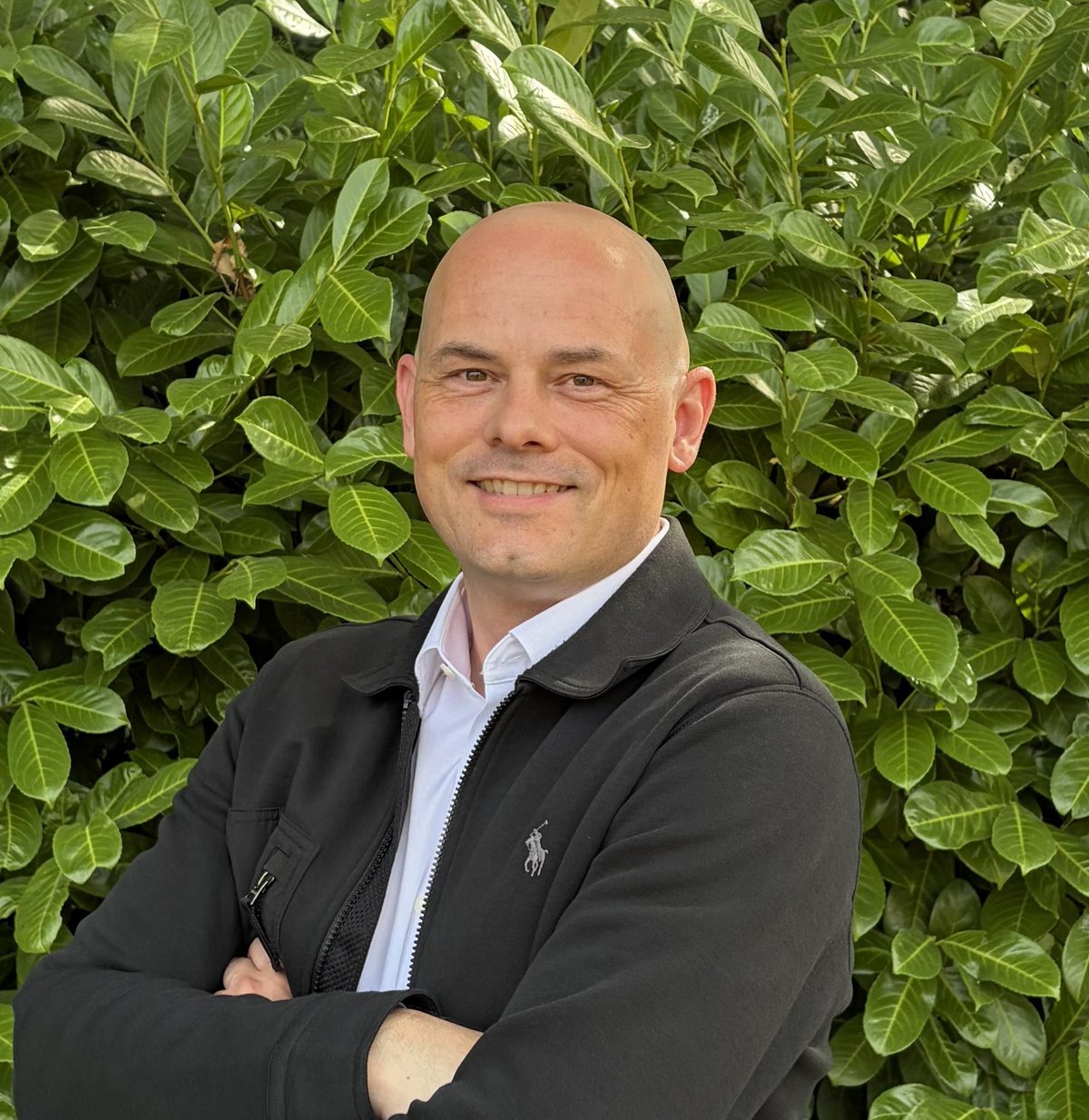
I am a chemical engineer by training. Most of my working life has been spent in energy efficiency and utilities: helping factories, hospitals, schools and estates use less, and getting clean energy built on them. The last few years took that work to the scale of a whole city.
Where I started
I almost did not become a chemical engineer. At school I loved maths, and it took my father, a chemistry teacher, and his own old chemistry teacher, who by chance taught me too, to point me at a degree that used all of it. I went to the University of Exeter in 1995 and left with a first-class MEng and Professor Robin Turner's rules of chemical engineering, the first two of which are mass balance and heat balance. Balance has stayed with me.
Carbon dioxide entered my working life early. My first project, at WS Atkins in 1999, was designing and building a plant to recover CO₂ from a brewery's fermentation gases. Six years at GlaxoSmithKline followed, running primary pharmaceutical manufacture, pilot plant operations and solvent recovery, and learning what it takes to keep a complex process safe and efficient every day. I went back to Atkins in 2007 to work on oil and gas and on one of the UK's early offshore wind substations, and then moved into energy services, where I have been ever since.
What delivery taught me
At Ameresco I led the UK business from 2020, growing it into one of the UK's leading energy services companies, delivering energy efficiency and clean energy projects across the NHS, schools, social housing and local government, and putting solar on the roof of the London Stadium. Two pieces of work stand out. The first was negotiating a £196 million, 300 MW battery energy storage system, which taught me how much of infrastructure is the patient alignment of investors, suppliers and boards. The second was Bristol City Leap, the £1 billion, twenty-year partnership between Bristol City Council and Ameresco to decarbonise the city. I led the winning bid and then the joint venture as its Managing Director, negotiating the concession, transferring the council's energy team into the new company and setting the first five-year plan. In its first five years it delivered over a thousand jobs and £61 million of social value, and other cities have since come to market with the same model.
The lesson is consistent. The barrier is rarely ambition or technology. It is the capacity to turn a plan into a project that can be financed and built, and the system is not yet set up to do that at the pace required. Time matters; the rate of change matters.
Shaping the system
That is why I have spent as much time on the profession and on policy as on projects. I joined the IChemE Energy Centre in 2016, led the working group behind its Energy and Resource Efficiency Good Practice Guide, chaired the Energy Community of Practice and wrote the Institution's first climate change position statement. I have sat on the Royal Academy of Engineering's National Engineering Policy Centre net zero working group since it formed in 2020 and now serve on the Academy's Clean Power Advisory Working Group. In 2024 I was elected the 83rd President of IChemE, and used the year to put chemical engineers in front of government: roundtables on industrial decarbonisation, energy storage, cyber security and skills, a session in Parliament on the clean energy mission, oral evidence to the Energy Security and Net Zero Committee, and representing the Institution at COP29.
In 2026 I joined CivicNetZero as the founding CEO, a platform that connects cities with capital and delivery partners so that projects move from plans to pipelines in months rather than years. It is the practical answer to the problem I kept meeting.
Why I do this
If you ran a hazard assessment on the Earth's ability to sustain human life, you would not sit on the findings. We live on a single, shared and somewhat lonely spaceship of a planet, and engineers are the people who can change how it is run.
That is the whole of my motivation: that humanity can keep thriving here, and that the industries I understand are re-engineered to make that possible. I was appointed MBE in the 2020 New Year Honours for services to sustainable energy and elected a Fellow of the Royal Academy of Engineering in 2026. I am Honorary Professor of Engineering at Exeter, where I started, and I spend part of my time encouraging the next generation into the profession.
Credentials
- Honours
- MBE, 2020 New Year Honours, for services to sustainable energy
- Fellowships
- FREng, Royal Academy of Engineering (2026); FIChemE, Institution of Chemical Engineers (2018)
- Registration
- Chartered Engineer (CEng), 2004
- Education
- MEng Chemical Engineering, first class, University of Exeter, 1999
- Awards
- World Economic Forum award of distinction for public-private collaboration, Bristol City Leap, 2024; Energy Innovation Award, London Stadium solar, 2025
- Current appointments
- Founding CEO, CivicNetZero; Honorary Professor, University of Exeter; RAEng Clean Power Advisory Working Group; Trustee, EFCE; Past President, IChemE
Career
- Founding Chief Executive, CivicNetZeroPlatform connecting cities, capital and delivery partners for net zero and resilience infrastructure
- 83rd President, Institution of Chemical EngineersChair of the Trustee Board; Trustee 2023 – 2026
- Managing Director, Bristol City Leap£1 billion public-private partnership between Bristol City Council and Ameresco
- Senior Vice President, Ameresco UKGrew the UK business into a leading ESCO; public sector decarbonisation, negotiated a 300 MW battery storage project, London Stadium solar
- Engineering and leadership roles, Atkins, energyexcel, AmerescoOffshore wind, oil and gas, then energy services for public and commercial estates
- GlaxoSmithKlinePrimary API manufacture, pilot plant operations and solvent recovery
- Graduate engineer, WS AtkinsCarbon dioxide recovery in breweries
- University of ExeterMEng Chemical and Process Engineering, first class
In the Institution's words
Film · IChemE
The most important engineers you've never heard of
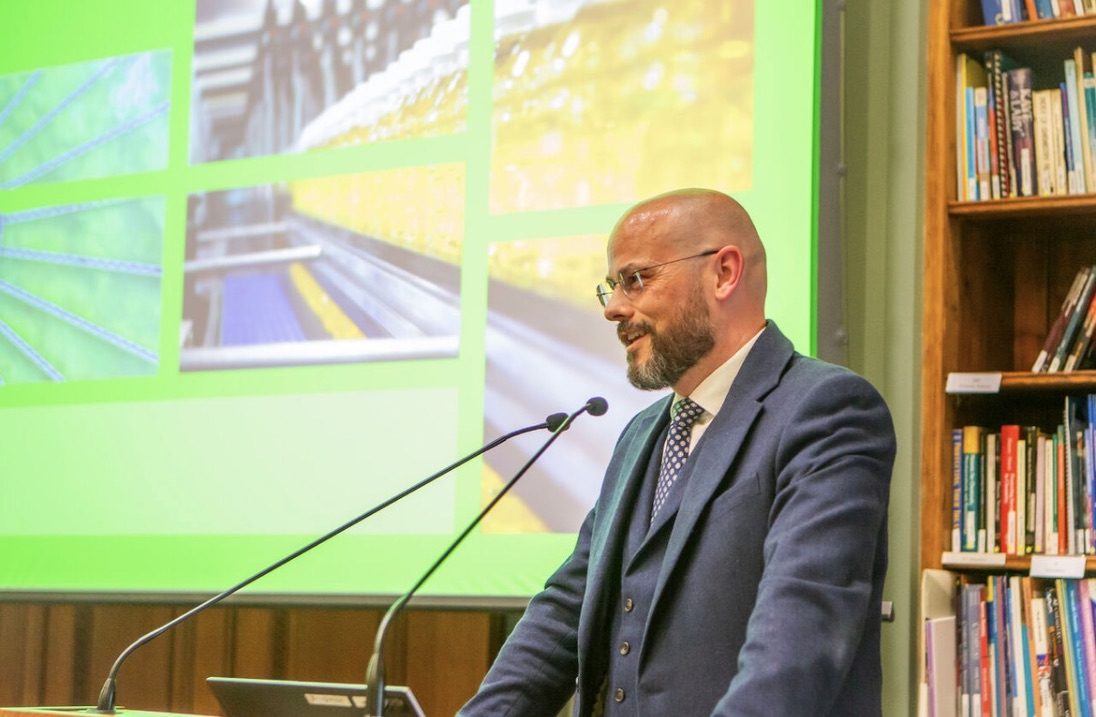
A short film from the Institution of Chemical Engineers on the profession's place in a sustainable world, and how it is changing that. Mark features alongside engineers from across the Institution.
Watch on YouTube